



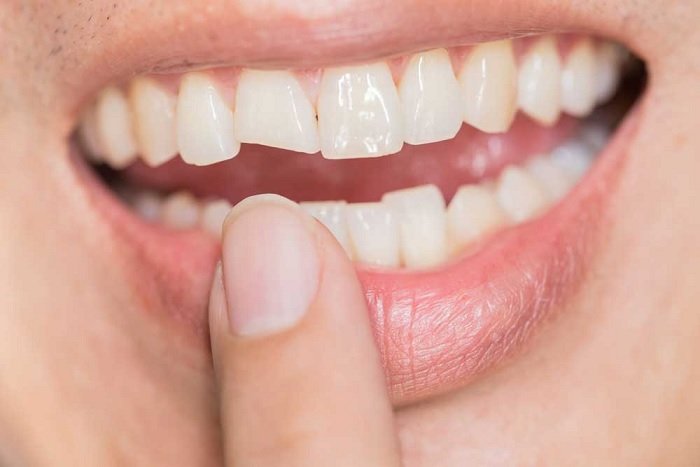

Dental trauma can happen when you least expect it. A fall, sports injury, biting down on something hard, or untreated decay can all lead to damaged teeth. When this occurs, it’s important to understand the available treatment options so you can restore both the health and function of your smile.
Fortunately, modern dentistry offers several solutions depending on the severity of the damage, from simple repairs to more advanced procedures that can save the tooth.
Understanding Dental Trauma
Trauma to teeth can range from minor chips to serious internal damage. When a tooth experiences a strong impact or infection, the inner pulp, which contains nerves and blood vessels, can become inflamed or infected. If bacteria reach this inner layer, pain and swelling may follow, and treatment is needed to prevent the infection from worsening.
Common signs of dental trauma or infection include:
- Persistent toothache
- Sensitivity to hot or cold
- Pain when chewing or biting
- Swelling around the gums
- Discoloration of the tooth
When these symptoms appear, seeking dental care quickly can prevent further complications.
Minor Damage: Repairing Chips and Cracks
For smaller injuries such as chipped or cracked teeth, dentists often recommend relatively simple treatments. Dental bonding uses tooth-colored resin to rebuild the damaged area, restoring the tooth’s shape and appearance. For more significant damage, dental crowns may be used to protect the remaining structure and strengthen the tooth. These treatments are typically quick and effective when the inner pulp has not been affected.
When Infection Reaches the Pulp
If trauma or decay allows bacteria to reach the pulp of the tooth, the situation becomes more complex. In this case, the infection must be removed to stop it from spreading and to relieve pain.
One of the most common treatments in this situation is root canal therapy. The procedure involves removing the infected pulp, cleaning the inner canals of the tooth, and sealing the space to prevent further infection.
While root canals often have a reputation for being uncomfortable, modern techniques and anesthesia make them similar to routine dental procedures such as fillings. If your dentist determines that the pulp of your tooth has become infected due to trauma or decay, a root canal may be the best way to save the natural tooth rather than removing it completely.
For those seeking root canal Worcester treatment, the service offered by Northwick Manor Dental Practice is a helpful place to start. Their dental team provides a range of general and cosmetic dental treatments and welcomes new patients looking for professional care and guidance.
A professional consultation can help determine whether root canal therapy is the most suitable option for restoring your tooth and preventing further damage.
When Extraction May Be Necessary
In some cases, a tooth may be too severely damaged to save. If the infection or structural damage is extensive, extraction may be recommended. However, dentists often consider this a last resort. Whenever possible, treatments such as root canal therapy are used to preserve the natural tooth because maintaining your original teeth supports better chewing, alignment, and long-term oral health.
Acting Quickly Makes a Difference
Dental trauma should never be ignored. Prompt treatment not only reduces discomfort but also increases the likelihood of saving the affected tooth. If you experience sudden tooth pain, swelling, or damage following an accident, seeking professional dental advice quickly ensures that the most appropriate treatment can be provided.
Protecting Your Smile for the Future
Although accidents can’t always be avoided, there are ways to reduce the risk of dental trauma. Wearing mouthguards during sports, maintaining regular dental check-ups, and addressing tooth decay early can all help protect your teeth.
When injuries do occur, understanding your options, from simple repairs to advanced treatments like root canal therapy, can help you make informed decisions about your dental health and keep your smile strong for years to come.


